Peeling, blistering and chalking paint
Most paint problems on Auckland houses trace back to water, sun or poor preparation. Chalking means the paint is wearing out; peeling and flaking mean it has lost its grip, usually to moisture; blistering means something is lifting the film from underneath. Each has a usual cause and a fix, and on older houses the fix is done lead-safe. For the repaint itself, see exterior house painting.
A quick diagnosis
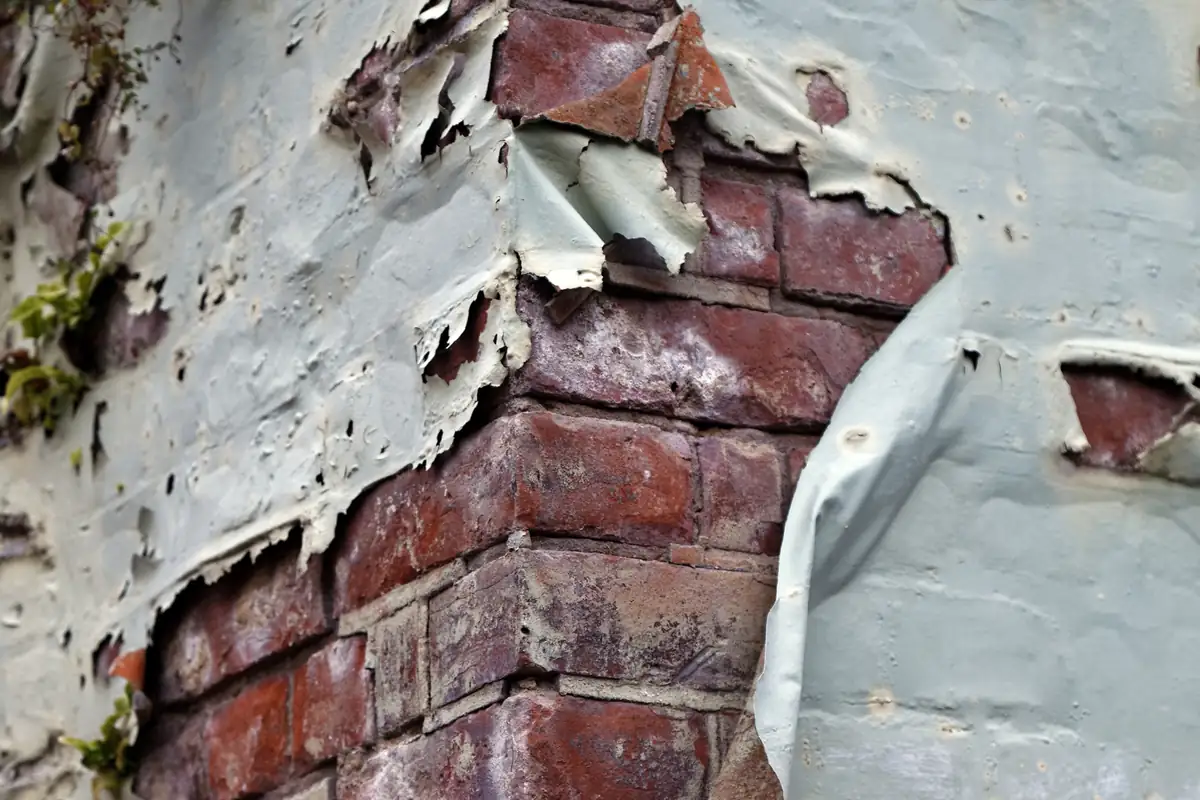
Look closely at the paint on each wall, then match what you see to its usual cause. Powder points to sun, peeling to water or poor adhesion, bubbles to something lifting the film. Most houses show more than one problem, often on different walls, because sun, rain and shelter vary around the house.
| What you see | Usual cause | Usual fix |
|---|---|---|
| Powdery white residue | Sun breaking down the binder (chalking) | Wash, seal if needed, repaint |
| Peeling in strips or sheets | Moisture behind paint, or poor adhesion | Scrape to firm edge, fix water, prime, repaint |
| Blisters | Damp surface, heat, or moisture from inside | Find moisture, scrape, dry, prime, repaint |
| Fine cracks, crazing or alligatoring | Old, brittle paint layers | Scrape back; strip where layers have failed |
| Black or green spots | Mould or algae | Treat, rinse, dry, then paint |
| Brown stains through paint | Tannins or water staining | Stain-blocking primer, then paint |
| Rust streaks | Corroding nail heads or fixings | Treat fixings, prime, fill, repaint |
Chalking
Rub a sunny wall with a finger. A white or coloured powder means the paint binder is breaking down under UV, and BRANZ names it as the first sign that a repaint is due. It is the cheapest stage to repaint at: wash the chalk off, seal if it is heavy, and recoat before cracks reach the timber.
How long exterior paint lasts covers the timing.
Peeling and flaking
Peeling usually starts at board ends, the bottom edges of weatherboards, sills and under leaking gutters, where water gets in. It also happens where paint went over dirt, chalk or glossy enamel without proper prep. Loose paint is scraped back to a firm edge, the edges feathered by wet sanding, bare timber primed, and the area repainted.
- Check gutters, flashings and downpipes above the peeling.
- Look for cracked putty, open joints and end grain.
- Check for water coming from inside, such as a bathroom wall.
- Do not water blast weatherboards to remove peeling paint.
Blistering
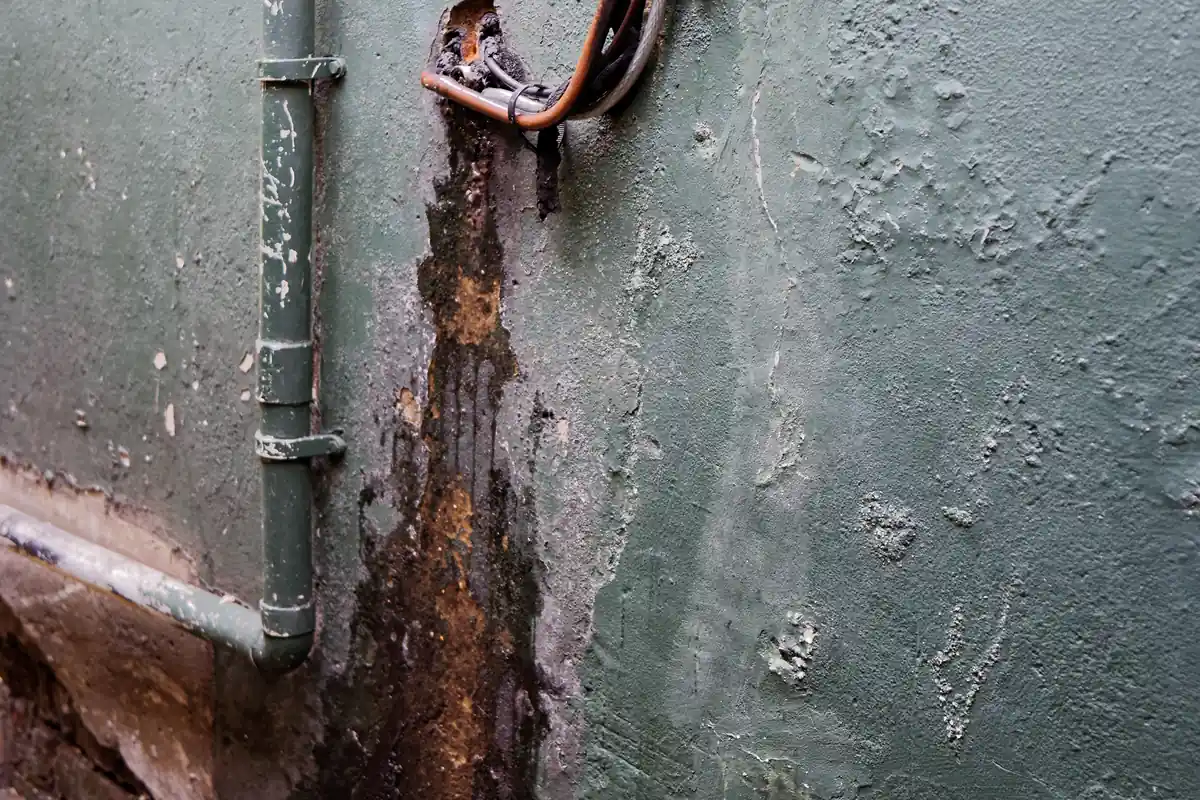
Blisters are bubbles in the paint film. Moisture blisters have water in them and come from damp timber or water inside the wall. Heat blisters form when paint is applied in strong sun, especially on dark colours. Cut one open to tell: wet inside means moisture; dry with old paint underneath often means heat or a coat over a soft one.
Blistering on one wall of a bathroom or kitchen often points to moisture moving out through the wall from inside. Fixing ventilation helps more than repainting.
Cracking and alligatoring
Old paint becomes brittle. Many layers of oil-based paint eventually craze into small squares, often called alligatoring, and the whole stack loses grip. Painting over it only adds weight. Where layers have failed, they are removed; where they are sound but crazed, a careful scrape, wet sand and fill can buy another cycle.
On older houses those layers are presumed to contain lead. Lead paint in older homes covers safe removal.
Mould, algae and stains
Black, grey or green growth on shaded walls is mould, algae or lichen, fed by damp and shade. It is treated and rinsed before painting, or it grows back through. Brown stains coming through new paint are tannins from some timbers, or old water marks, and need a stain-blocking primer.
Mould before painting and primers and undercoats go into each.
Rust spots and nail heads
Rust streaks below nail heads come from fixings corroding, especially near the sea. Each nail head is cleaned back, treated or primed with a metal primer, punched and filled if needed, then painted. Ignoring them means the stain returns through the new paint.
Coastal homes and salt covers why it is worse near the water.
Signs of a poor repaint
Early peeling along board edges, patchy sheen, old colour showing through, missed bottom edges of boards, drips, paint on glass or hardware, and dirt or chalk visible under the new coat. Most trace back to rushed prep or a missing coat. Under the Consumer Guarantees Act, work must be done with reasonable care and skill.
Workmanship terms explains your rights.
Asked before a repaint
- Why is my exterior paint peeling?
- Usually moisture or poor adhesion. Water getting behind the paint from cracks, end grain, leaks or damp timber pushes it off; paint over dirt, chalk or glossy old coats never bonded well in the first place. The fix is to scrape back to a firm edge, find and stop the water, prime bare timber and repaint.
- What does chalky paint mean?
- Chalking is a powdery residue left as sunlight breaks down the paint binder. BRANZ treats it as the first sign a repaint is due. Chalky surfaces are washed and, if needed, sealed with a binding primer before new paint, or the new coat sits on powder and fails.
- Why does paint blister?
- Blisters form when moisture or heat lifts the paint film. Painting damp timber, painting in hot sun, water coming from inside the wall, or solvent trapped under a coat can all cause them. Cut a blister open: water inside points to moisture; bare timber points to adhesion.
- What are signs of a bad paint job?
- Early peeling, especially along board edges, uneven sheen, old colour showing through, paint on glass and hardware, missed bottom edges of boards, drips and runs, and chalk or dirt visible under the new coat. Most of these come from rushed prep or a missing coat.
Sources
When the reading is done and the brushes need picking up, Eggshell & Co Painting is where a quote starts.
Ask us for a painting quote
Tell us about the house and the job. We reply with questions, or a day to walk around it with you.