Painting coastal homes
Salt, wind and strong light shorten the life of paint near the sea, but only where they actually reach the house. The parts that suffer most are walls under eaves and verandahs, which rain never rinses, and metal fixings that rust through the paint. Regular washing does more than any paint choice. This note expands on exterior painting for houses near the water.
How salt breaks paint down
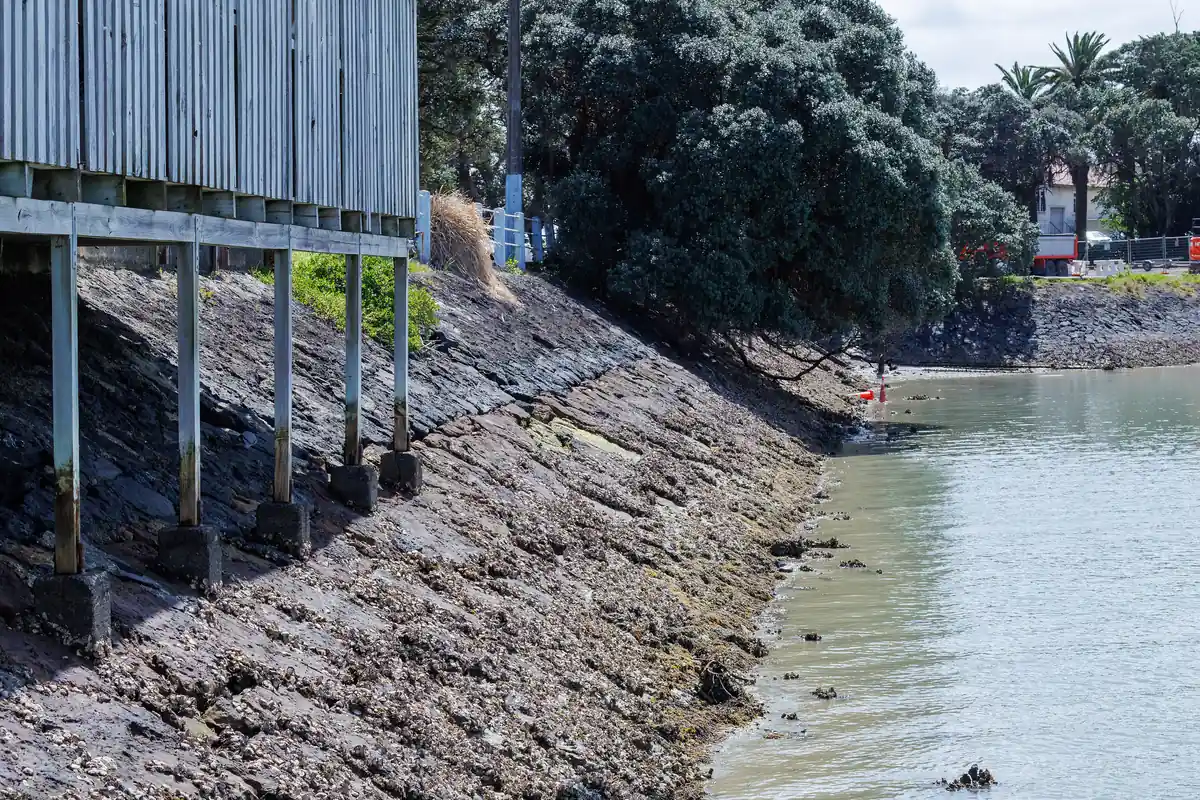
Salt deposits draw moisture out of the air and hold it against the paint, which speeds up breakdown and mould growth. On exposed walls, rain rinses salt off; in sheltered spots under eaves, soffits and verandah roofs, it builds up. Resene notes that salt-blown areas that rain does not wash need particular attention.
That is why coastal houses often show their worst paint in the most sheltered places, which surprises owners who expect the exposed front to fail first.
Sea-spray zones are site by site
The NZS 3604 building standard treats land within 500 m of the sea, including harbours, as likely to be Zone D, a high-risk sea-spray zone. An MBIE determination about a site beside a sheltered estuary shows the zone is decided site by site, taking local shelter and microclimate into account. Two houses in the same suburb can differ.
So no suburb is a sea-spray zone as a whole. A house on an exposed headland faces very different conditions from one in a sheltered valley a street back. The area pages describe the coastal settings we work in.
Washing is the main defence
BRANZ recommends washing exterior paint at least once a year, and its weatherboard guidance says exposed coastal sites may need it as often as monthly. A soft brush, a mild detergent and low-pressure water are enough. High-pressure water blasting is the wrong tool for weatherboards, and wash water must be kept out of stormwater drains.
- Wash sheltered walls, soffits and verandah ceilings most often.
- Rinse window frames, sills and joinery.
- Use low pressure; never drive water behind weatherboards.
- Direct run-off onto lawn, not into drains.

Nails, fixings and rust stains
Salt corrodes steel nail heads, screws and brackets, and the rust bleeds through paint as brown streaks. On a coastal repaint, each rusting fixing is cleaned, treated or primed with a metal primer, punched and filled where needed, then painted. Stainless or suitably coated fixings are worth using for any replacement boards.
Paint problems shows how rust spots look.
Colour and light by the sea
Coastal light is strong and reflective, so UV wears paint and fades colours faster. Lighter colours stay cooler and move the timber less; BRANZ suggests a light reflectance value of 45% or more on weatherboards for best performance. Very dark colours on an exposed coastal wall fade and heat up most.
Dark exterior colours and white exterior colours cover both ends.
Repaint timing near the coast
Exposed coastal houses tend to fall at the shorter end of the repaint range. Paint makers give 7 to 10 years for a quality acrylic system on weatherboards; published guides suggest about five to seven for coastal homes. Inspecting every couple of years and touching up sills and fixings early keeps a full repaint further away.
How long exterior paint lasts lists the warning signs.
Prep on a coastal repaint
Salt must be washed off before painting, or the new paint sits on it. Coastal prep is a thorough wash, mould treatment, rinsing until clean, drying time, then the usual scraping, sanding, filling and priming, with extra attention to fixings and sheltered surfaces. Wind on exposed sites can limit spraying and slow drying.
Preparation covers each step.
Asked before a repaint
- Does sea spray damage house paint?
- Salt left on paint attracts moisture and speeds up breakdown, and it corrodes metal fixings that then stain the paint. Resene notes that salt-blown areas not washed by rain need particular attention. Regular gentle washing removes the salt before it does much harm.
- How often should a coastal house be washed?
- BRANZ advises washing exterior paintwork at least once a year, and its weatherboard guidance says exposed coastal sites may need washing as often as monthly. Sheltered walls under eaves and verandahs, which rain never rinses, need it most.
- Is my house in a sea-spray zone?
- Not necessarily, even if you can see the sea. The NZS 3604 building standard makes land within 500 m of the sea likely to be Zone D, a high-risk sea-spray zone, but an MBIE determination shows the zone is decided site by site, taking local shelter into account. Your building records or a designer can confirm it.
- Do coastal houses need repainting more often?
- Often, yes. Exposed coastal houses tend to sit at the shorter end of the usual repaint range, and published guides suggest about five to seven years for coastal homes against seven to ten elsewhere. Washing, prompt touch-ups and good prep stretch it.
Sources
When the reading is done and the brushes need picking up, Eggshell & Co house painting is where a quote starts.
Ask us for a painting quote
Tell us about the house and the job. We reply with questions, or a day to walk around it with you.