Painting kitchens and bathrooms
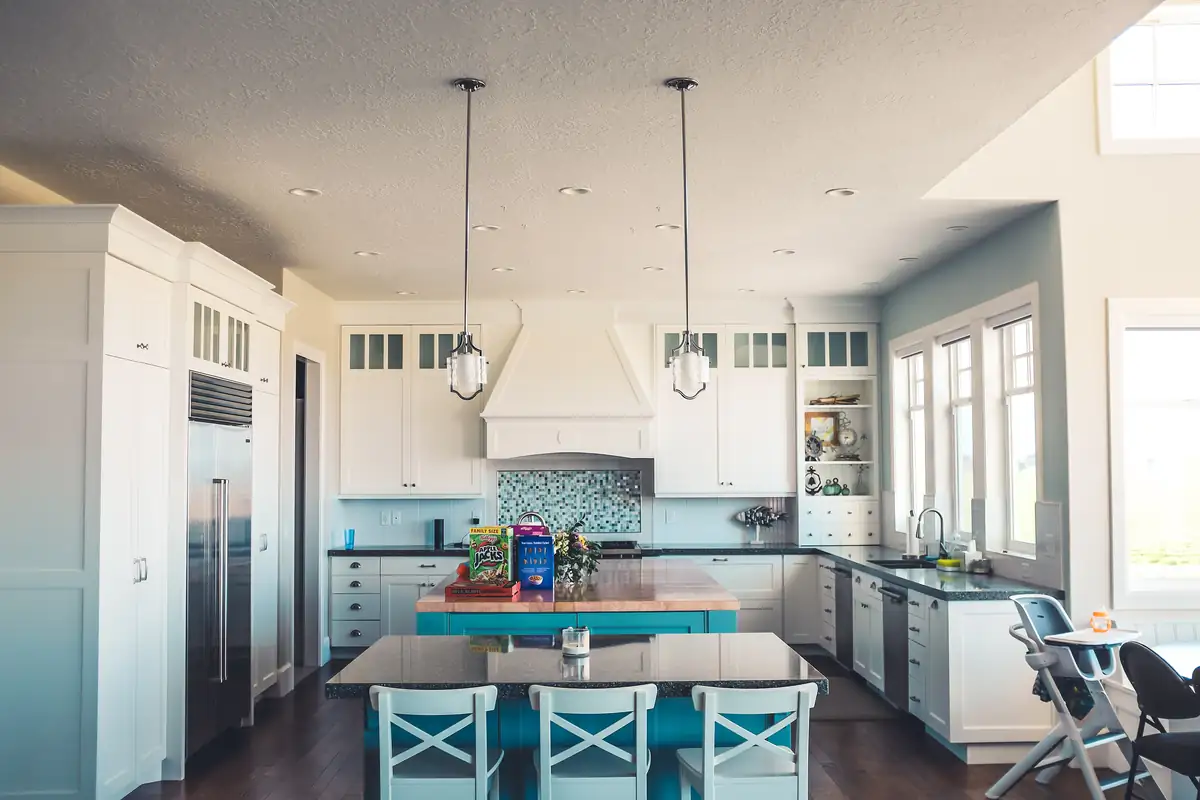
Kitchens and bathrooms are painted for steam, grease and mould rather than looks alone. The work starts with cleaning and mould treatment, then a primer where needed and two coats of a moisture-resistant, washable paint. Ventilation matters as much as the paint. This is part of interior painting, priced per room as shown in interior costs.
What makes wet rooms different
Showers, baths and cooking put water vapour into the air, and it condenses on the coldest surfaces: ceilings, outside walls and window reveals. Moisture held in paint and linings feeds mould and lifts coatings. Kitchens add grease, which stops new paint from bonding unless it is cleaned off properly.
That is why the same paint that lasts years in a bedroom can peel in a bathroom within a couple of winters. The fix is a combination: clean, treat, prime, use the right paint, and get the moisture out of the room.
Ventilation first
An extractor fan vented to the outside, used every time the shower or stove is on, does more for a bathroom ceiling than any paint. Tenancy Services’ ventilation standard for rentals requires extractor fans in kitchens and bathrooms, which shows how central they are. A fan that only pushes steam into the ceiling space moves the problem.
If mould returns within months of painting, ask an electrician or builder to check the fan and ducting. Mould before painting covers the causes.
Preparing kitchen and bathroom walls
Prep is cleaning, mould treatment, rinsing, drying, then filling and a light sand. Grease is removed with a degreasing cleaner so new paint can bond. Peeling paint around showers and on ceilings is scraped back to a firm edge. Any bare plasterboard face or patched area is sealed before the finish coats.
- Clean grease and soap residue off every surface to be painted.
- Treat mould with a mould wash, then rinse.
- Dry the room thoroughly; run the fan and keep the shower off.
- Scrape and fill peeling or cracked areas.
- Prime or seal bare lining, stains and patches.
- Two coats of a kitchen and bathroom paint.
The right paint and sheen
Wet rooms get an acrylic made for kitchens and bathrooms, usually with a mould inhibitor, in low sheen or semi-gloss. A bit of sheen makes the wall easier to wipe and less absorbent. Trim and window frames get enamel. Ceilings in steamy rooms get a ceiling paint made for the job rather than an ordinary flat.
Paint sheen and paint systems explains sheen levels room by room.
Tiles, splashbacks and cabinets
Tiles, glass splashbacks and kitchen cabinets are masked and protected, not painted, in an ordinary repaint. Painting tiles or cabinetry needs special primers and coatings and is a separate trade job. Painted walls are cut in neatly against tiles, bench tops and cabinet edges, which is where most of the time in a small room goes.
Silicone sealant around baths and showers will not take paint. If it is mouldy or peeling, it is cut out and replaced before or after painting, depending on the product.
Older kitchens and bathrooms
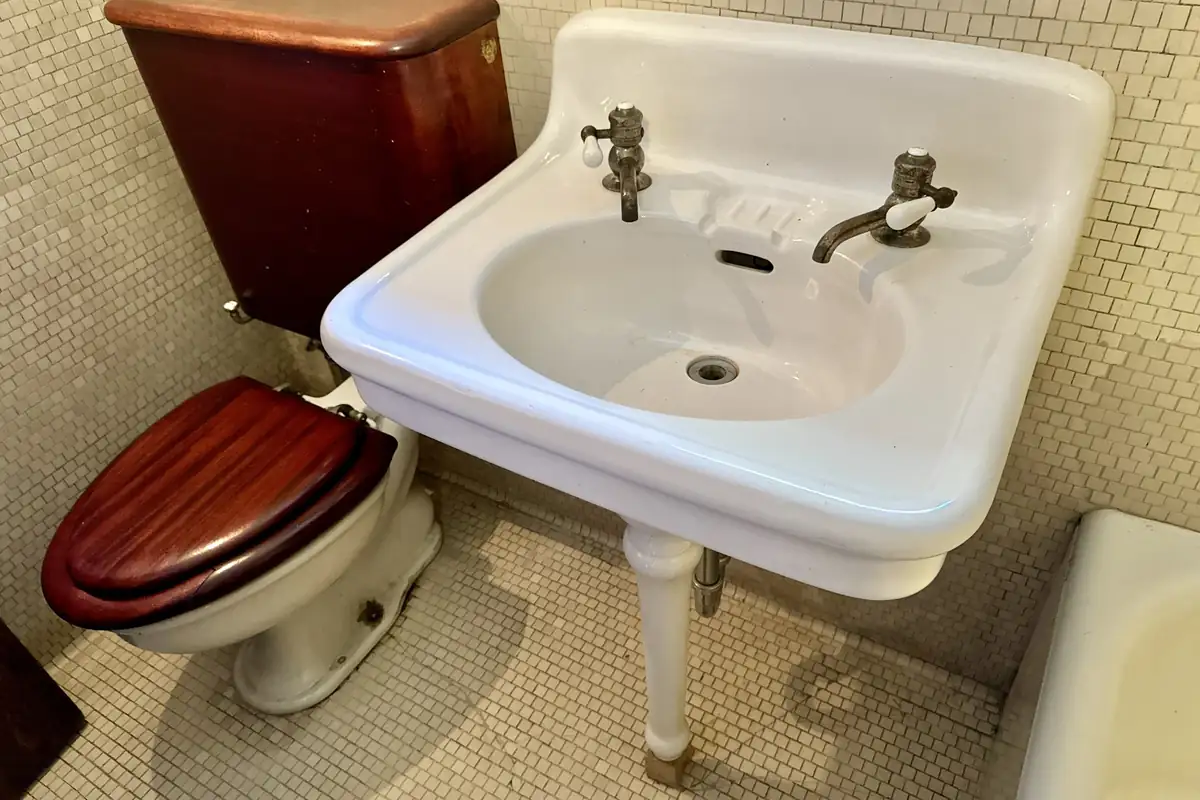
Kitchens and bathrooms in older houses may have lead-based paint under later layers, and WorkSafe advises presuming it in houses from the 1980s or earlier. Some older wall and ceiling linings, and textured coatings in houses built before 2000, may contain asbestos. Both are checked before sanding or scraping.
See lead paint in older homes and asbestos and textured ceilings.
How long it takes and living around it
A bathroom repaint is usually a short job but needs drying time between coats, and the room should not be steamed up until the paint has cured as the maker’s data sheet describes. Plan for a day or two without a shower in that room, or a quick wipe and open window if it is the only one. Painting in one day explains why the recoat wait sets the timetable.
Kitchens are worked around meals. Clearing benches and open shelves before the painter arrives saves time. Getting ready for the painters has a checklist.
Asked before a repaint
- What paint should I use in a bathroom?
- A paint made for kitchens and bathrooms, usually an acrylic with a mould inhibitor, in a low-sheen or semi-gloss finish that can be wiped. Flat paint marks and holds moisture. The paint helps, but the bigger factor is ventilation: an extractor fan vented outside keeps any paint in better condition for longer.
- Can you paint over mould?
- Not without treating it first. Mould painted over grows back through the new coat. The surface is cleaned and treated with a mould wash, rinsed, and left to dry, then primed and painted. If mould keeps returning, the room has a moisture or ventilation problem that paint alone will not solve.
- Can kitchen cabinets be painted?
- Many can, but it is specialised work with its own prep and coatings, and cabinet painting is not covered on this site. Kitchen walls, ceilings, window frames and trim are part of an ordinary interior repaint.
- Why is my bathroom ceiling peeling?
- Usually moisture. Steam condenses on a cold ceiling, soaks into the lining or old paint, and the coating lets go. Poor ventilation, no extractor, or a fan that vents into the ceiling space are common causes. The loose paint is scraped back, the ceiling dried and sealed, and the ventilation fixed.
Sources
For the whole picture, from prep to the last coat, go back to Eggshell & Co house painting.
Ask us for a painting quote
Tell us about the house and the job. We reply with questions, or a day to walk around it with you.