House painting in the East Coast Bays
Mairangi Bay, Browns Bay and Torbay began as bach settlements and filled with family homes once the Harbour Bridge opened. Much of what stands now is 1960s housing in brick, concrete block and weatherboard, on crescents that wind over ridges and gullies. Brick and timber need different systems, and steep sites need planning. See brick and plaster and exterior painting.
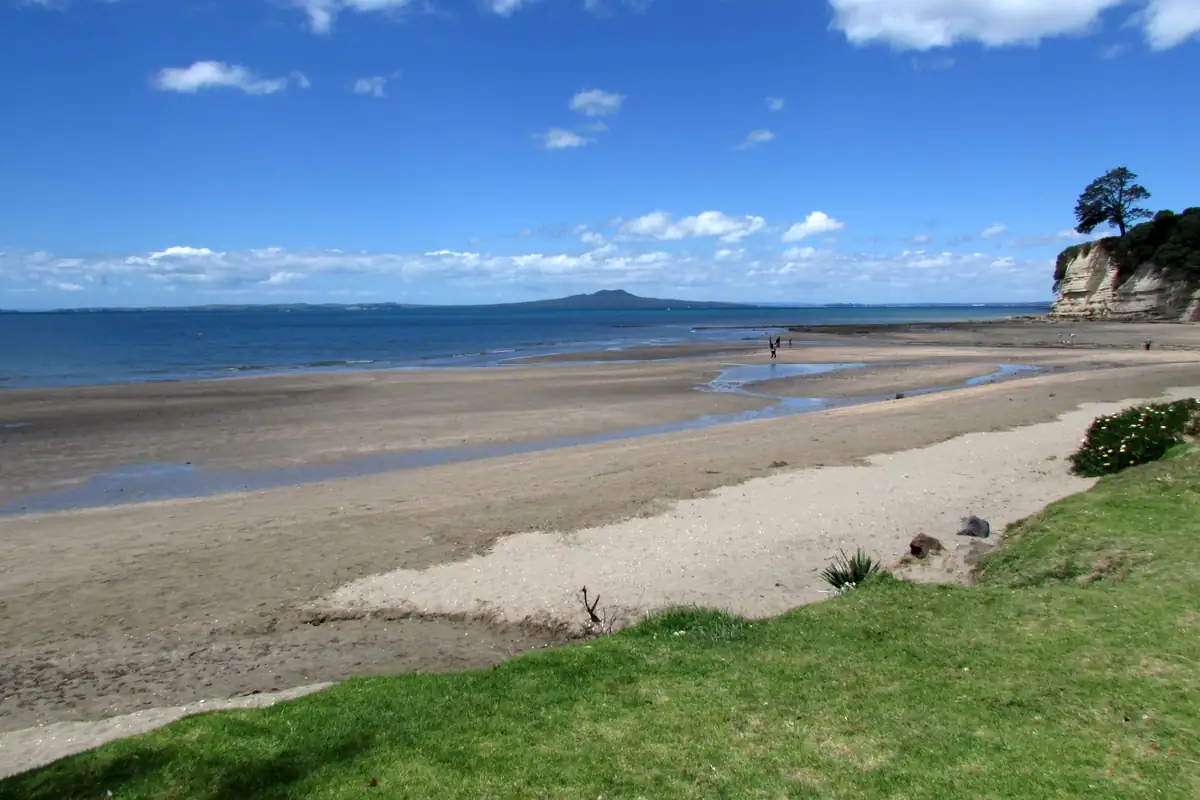
Parades of Homes in Mairangi Bay
The North Shore Heritage review records state-sponsored Parades of Homes in Mairangi Bay in the 1950s and 60s, including the 1963 Maxwelton Braes estate on Maxwelton Drive and Mayfair Crescent. It says 1960s architecture is still evident on the seaward side of East Coast Road, around Mayfair Crescent and Wisteria Way, and around Waiau Street in Torbay.
Those houses were built to show off modern living, and many have changed little in form since. Their original coats are now 60 years old.
Brick, block and aluminium joinery
The review notes that while some 1960s Bays houses used weatherboard and timber joinery, many used brick, concrete and concrete block with aluminium joinery. That changes the job: masonry takes a breathable masonry paint after cleaning and crack repair, while aluminium joinery is usually left unpainted and the scheme chosen around its colour.
- Painted brick or block: wash, wet-scrape loose paint, repair cracks, masonry system.
- Unpainted brick: usually left alone; only eaves, fascias and joinery painted.
- Weatherboard sections: the usual timber prep and two finish coats.
Published Auckland ranges for brick-and-tile houses where only the trim is painted run about $3,500 to $6,500.
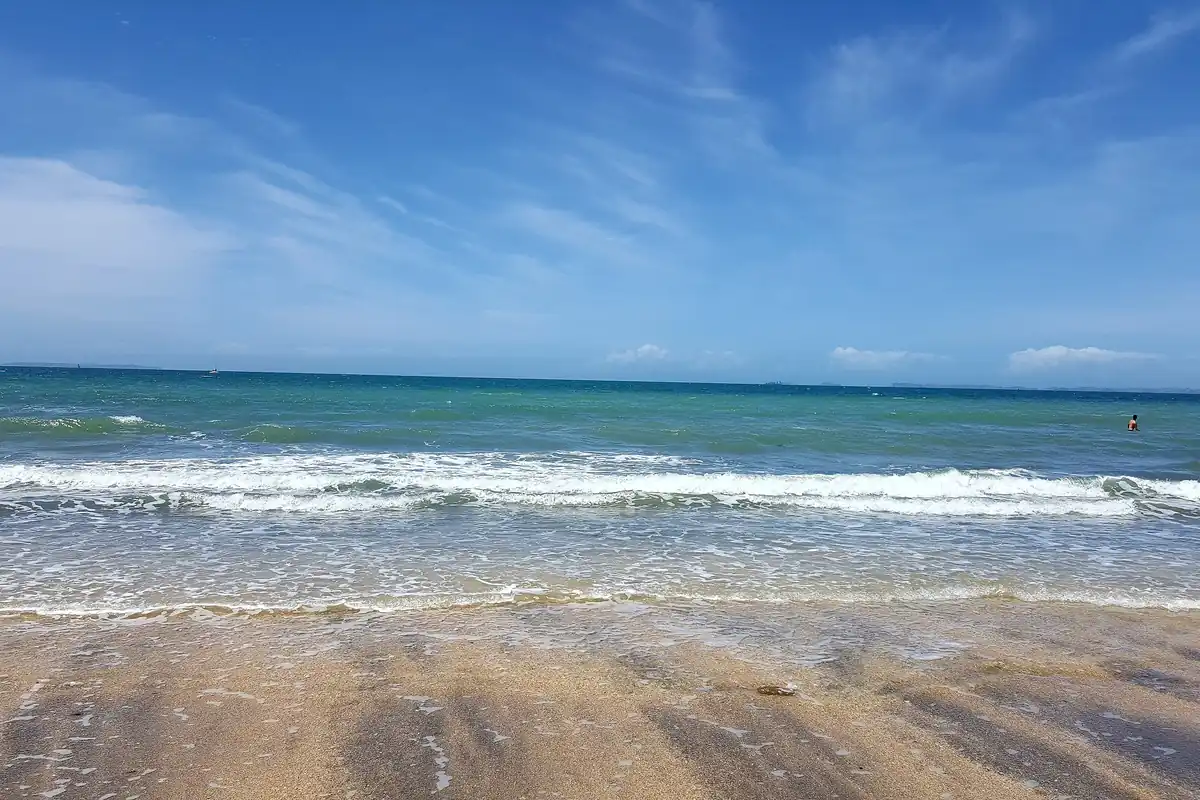
Browns Bay: from holiday sections to a town centre
The review says the Browns subdivided their Browns Bay land in 1916, mostly bought for holiday baches, which kept being built along the bays into the 1950s before giving way to permanent homes after the bridge opened. Browns Bay became a boatbuilding centre in the 1950s and the main northern commercial centre until Albany grew in the 1980s.
A few baches survive; the review lists one at Waiake Street in Torbay. Most have long been replaced, and many coastal sites now hold large newer houses.
Ridges, gullies and set-back houses
East Coast Bays subdivisions used crescents, cul-de-sacs and irregular sections, with houses set well back, responding to unstable ridges and steep gullies, the review says. For a repaint that means long carries from the street, split levels and walls above steep ground, all of which are planned before the quote is fixed.
- Check the path from street to house for gear and sheeting.
- Note split levels and walls above falling ground.
- Plan ladders, platforms or scaffolding for the high sides.
Beachfront and ridge-top exposure
Seaward houses on Mairangi Bay, Browns Bay and Torbay beaches take wind and salt off the Hauraki Gulf, while ridge-top streets further back may not. Under NZS 3604 that is decided site by site, as the MBIE determination shows. Salt under eaves and rusting fixings are the usual signs.
Coastal homes and salt explains washing and fixings.
Sixty-year-old coats
1950s and 60s houses fall well inside WorkSafe’s 1980s-or-earlier presumption for lead-based paint, on painted brick and block as much as on timber. Prep is wet, with sheeting and collected chips, and abrasive blasting is not used to strip old paint, because it spreads dust across the section and next door.
Lead paint in older homes; nearby Milford has a similar 1960s story.
Asked before a repaint
- Can painted brick on a 1960s Bays house be repainted?
- Yes. Painted brick and block are cleaned, loose paint removed with wet methods, cracks repaired, salts dealt with, and two coats of a masonry paint applied. Brick that has never been painted is often better left unpainted, because once painted it joins the repaint cycle.
- Are houses on the cliff tops in the Bays in a sea-spray zone?
- Some may be and some may not. NZS 3604 makes land within 500 m of the sea likely to be a high-risk zone, but the zone is confirmed site by site. A house on the beachfront and one on a sheltered ridge street can be treated differently.
- Why are access costs higher on some Bays sections?
- The heritage review notes that East Coast Bays subdivisions followed ridges and steep gullies, with irregular sections and houses set well back. Sloping sites, split levels and long paths from the street take more time to set up and work.
Sources
The rest of the city gets the same prep-first approach; see Eggshell & Co house painting for the overview.
Ask us for a painting quote
Tell us about the house and the job. We reply with questions, or a day to walk around it with you.