House painting in Birkenhead
Birkenhead grew around the sugar refinery at Chelsea, and its oldest streets on Birkenhead Point still show it: villas, bungalows and workers’ houses from the 1890s to the 1940s. Around the coastal edge, bush runs down to the water and newer two-storey homes sit among the trees. Each type asks something different of a repaint. See villa and weatherboard painting.
A suburb built around a refinery
Council’s character statement ties Birkenhead Point’s growth to the Colonial, now Chelsea, Sugar Refinery, which opened in the early 1880s, and to houses built for its workers. The special character area covers Hinemoa Street and parts of Rawene and Huka Roads.
Many of those houses were modest when built and have been extended since, so a single property can combine an original front with later additions in other materials, each needing its own primer.
Villas, transitional villas, bungalows and state houses
The statement records building methods from the 1890s to the 1940s: villas, transitional villas, bungalows and state housing, typically timber-framed and weatherboard clad with timber detailing. Roofs are mostly corrugated iron, with some clay or concrete tile, and a few houses are rendered brick.
- Weatherboard houses: wet prep, spot-priming, two finish coats.
- Rendered brick: crack repair, sealer and a masonry paint.
- Bungalows: wide eaves and bay windows mean plenty of trim.
The 2022 survey scored 43% of the Point’s properties at the top grades, so alterations are common. Matching new and old surfaces is part of the job.
Bush, shade and drying time
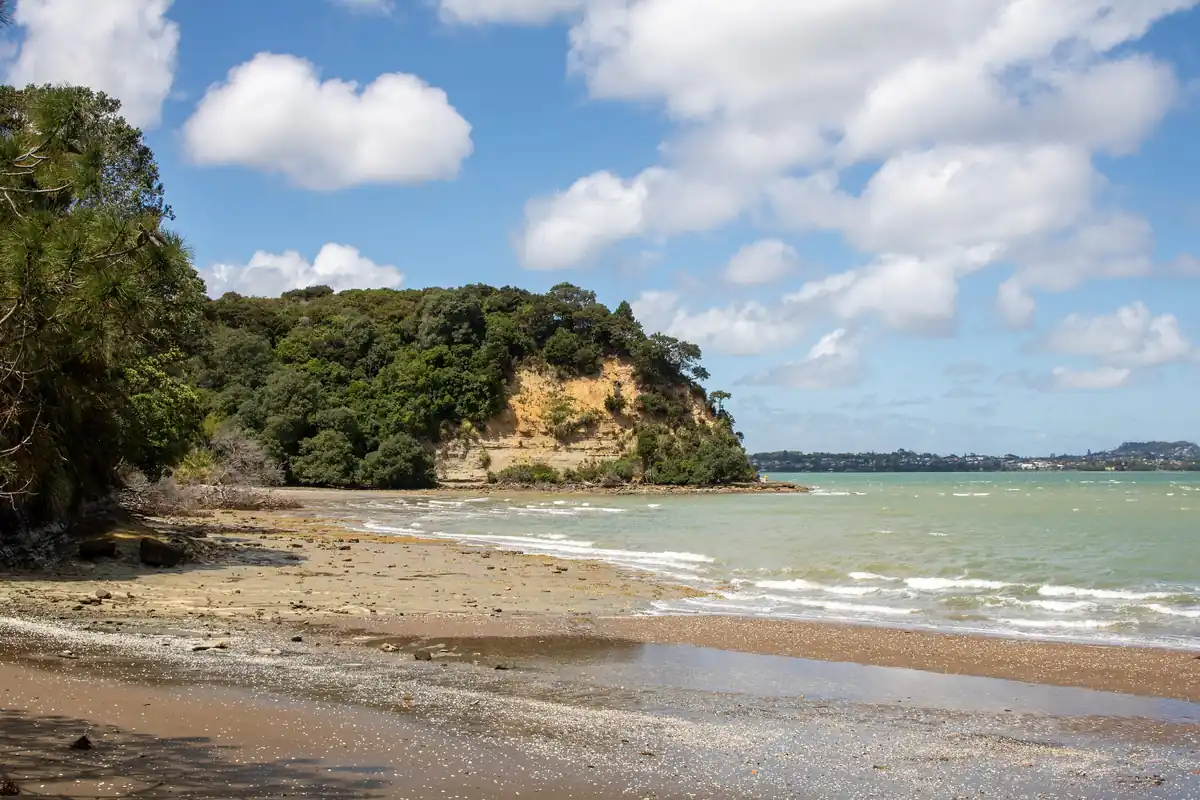
The character statement describes native bush and trees around the coastal margin. Walls in that shade stay damp, grow mould and lichen, and dry slowly after rain or washing. A repaint here allows extra time between washing and priming, and treats mould before anything else.
Mould before painting and weather for exterior painting explain why waiting pays.
Newer two-storey houses on the water
The North Shore Heritage review notes that most sites around Birkenhead’s coastal edge were developed more recently, and that post-1970 houses tend to be larger and two-storeyed. That brings height and access into the price, and sometimes more modern claddings.
Waterfront houses may sit within the NZS 3604 sea-spray zone, which is decided site by site, as the MBIE determination shows. Ridge streets inland usually do not.
Where Birkenhead quotes land
Villas and bungalows on the Point fall into the higher published bands, about $12,000 to $20,000 or more for a single storey. Post-1970 two-storey homes on the coast are priced more on height, access and area, with scaffolding at roughly $800 to $5,000 where needed. Rendered brick adds masonry prep.
Brick and plaster and costs by house type go into each.
Paint layers on workers’ cottages
Houses from the 1890s to the 1940s are well inside WorkSafe’s 1980s-or-earlier presumption for lead-based paint. Even post-1970 coastal homes may carry lead in early coats. Wet prep and thorough clean-up keep it out of gardens running down to the bush and the bay.
Lead paint in older homes sets out the steps.
Around Birkenhead
Northcote Point sits across Little Shoal Bay with villas of the same era and a similar headland setting, while Beach Haven and Birkdale to the west grew mostly after 1959 on former orchard land. Their pages describe the differences in housing and exposure.
Refinery cottages were often small and plain, and generations of owners have added rooms, decks and garages. On these houses the walk-around before quoting usually turns up three or four cladding types and two eras of joinery, and the prep list follows that patchwork rather than a single system for the whole house.
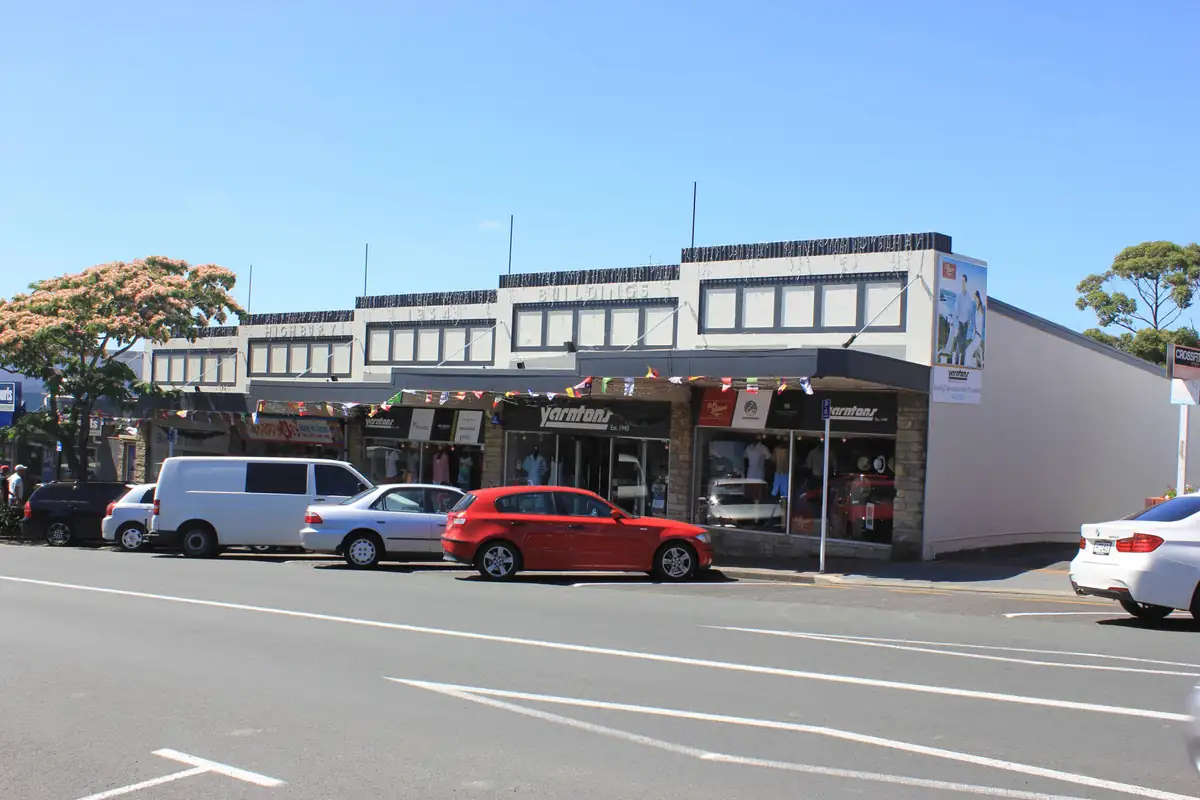
The lower end of Hinemoa Street toward the wharf has its own business special character statement, separate from the residential one. Shopfronts and older commercial buildings there are repainted around trading hours, like other small commercial work.
See Northcote and Beach Haven.
Asked before a repaint
- What houses are on Birkenhead Point?
- Council’s character statement describes villas, transitional villas, bungalows and state houses from the 1890s to the 1940s, mostly timber-framed and weatherboard clad, with some rendered brick. Many were built for workers at the Chelsea sugar refinery.
- Do bush sections in Birkenhead cause paint problems?
- They can. Walls shaded by native bush around the coastal margin stay damp longer and grow mould and lichen. Repaints there start with a wash and mould treatment and need longer drying time before primer and finish coats go on.
- Do two-storey Birkenhead homes need scaffolding?
- A two-storey repaint may need scaffolding, and it is planned into the quote as its own line. Published Auckland figures for scaffolding on a two-storey house run from about $800 to $5,000.
Sources
- Auckland Unitary Plan Schedule 15: special character statements (PDF)
- Auckland Council: PC120 special character findings, North (PDF)
- Auckland Council: North Shore Heritage thematic review, Northcote, Birkenhead and Beach Haven (PDF)
- MBIE Determination 2019/039: NZS 3604 exposure zones (PDF)
- WorkSafe: managing lead-based paint
The rest of the city gets the same prep-first approach; see Auckland house painters for the overview.
Ask us for a painting quote
Tell us about the house and the job. We reply with questions, or a day to walk around it with you.