Primers, sealers and undercoats
A primer is the first coat on a bare surface; a sealer controls how much a porous or chalky surface absorbs; an undercoat builds and evens out the film before the finish coats. On a repaint over sound paint, often only bare spots need priming. On bare timber, new plasterboard, metal or chalky old paint, a full primer or sealer coat comes first. It is a key step in preparation.
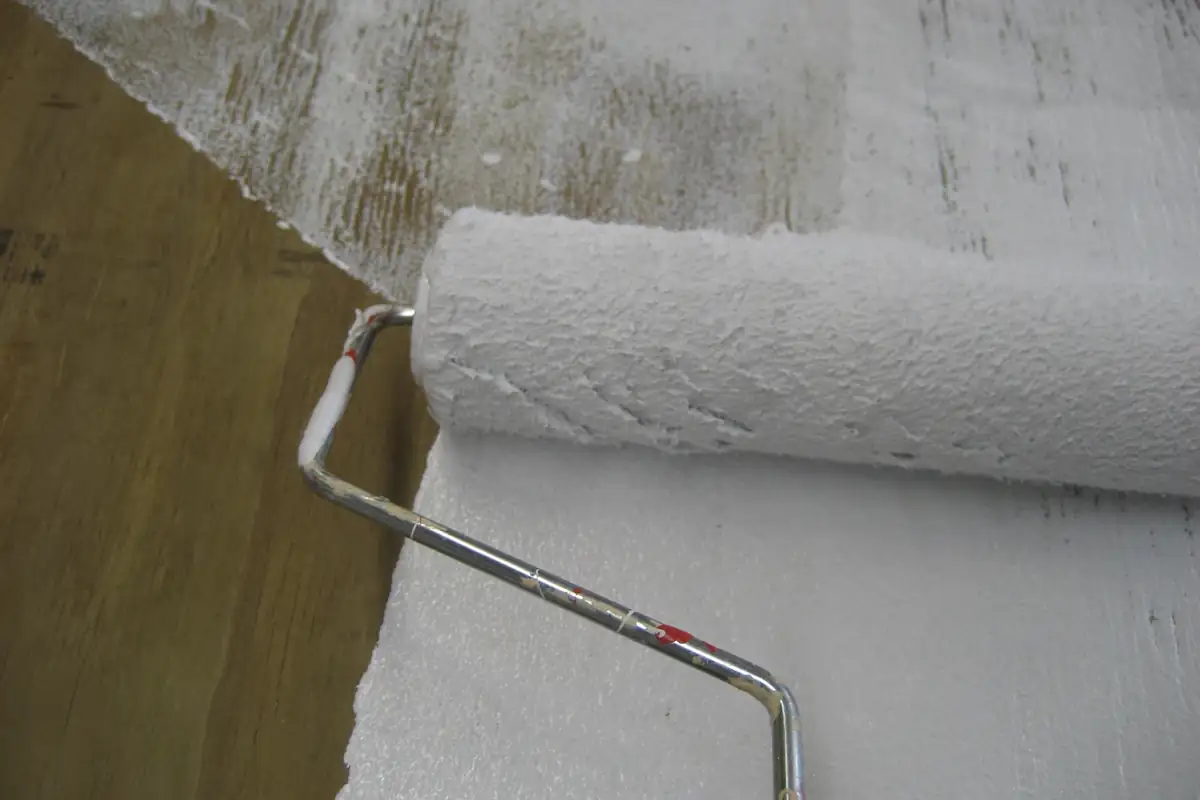
What a primer actually does
A primer is made to soak into or bond with a bare surface, seal it, and give the next coat something to grip. Finish paints are designed to look good and resist weather, not to bond to raw timber or metal. Leaving the primer out is one of the most common reasons for early peeling.
| Surface | Typical first coat |
|---|---|
| Bare exterior timber | Exterior timber primer, full coat |
| Knotty or resinous timber | Knot sealer or specific primer, then primer |
| New plasterboard | Plasterboard sealer |
| Bare masonry or new plaster | Masonry sealer or primer that tolerates alkalinity |
| Bare steel or galvanised metal | Metal primer suited to the metal |
| Chalky old paint | Sealer or binding primer after washing |
| Sound old paint | Spot-prime bare patches only |
Spot-priming on a repaint
Most exterior repaints on a house in fair condition are spot-primed: bare timber, filler, sanded edges and repairs get primer, and the finish coats go over everything. Resene’s trade guide prices a weatherboard repaint in good condition on that basis, at about $50 per m² before GST including two acrylic coats.
Spot-primed patches should be feathered at the edges so they do not show through as ridges. Where bare patches cover a large share of a wall, a full primer coat is simpler and more even.
Bare and new timber
Bare timber gets a full primer coat, worked into the grain and onto end grain and board edges, which take up the most water. The timber must be dry: BRANZ suggests a moisture content of about 14% to 18% when priming on site. Pre-primed boards should still have cut ends and nail holes primed before topcoats.
For the coats that follow, see how many coats of paint.

Stain-blocking and sealers
Water stains, smoke, nicotine, tannins from some timbers and marker pens bleed through ordinary paint. A stain-blocking primer seals them in before finish coats. Sealers also control porous surfaces such as skim-coated walls, new plaster and chalky old paint, so that the finish dries evenly without shiny and dull patches.
- Find and fix the cause of water stains before sealing them.
- Use a stain-blocker on ceilings with old smoke or water marks.
- Seal skim-coated and patched walls before finish coats.
- Bind chalky exterior paint after washing.
Where an undercoat fits
An undercoat sits between the primer and the finish coats. It builds film thickness, smooths over minor flaws and evens out colour, which helps when going from dark to light. Some modern systems use primer-undercoats that do both jobs, and some acrylic systems go straight from primer to two finish coats.
Paint sheen and paint systems shows the full stack of layers.
Going from oil-based to acrylic
Many older houses have oil-based enamel on joinery and sometimes on walls. Acrylic will not bond reliably to glossy oil paint on its own. The surface is cleaned, sanded to a dull finish, and primed with a product made to bond to old oil-based coatings. Then acrylic topcoats can follow.
Acrylic or oil-based paint shows a simple test to tell which you have.
Priming over old lead paint
In a house from the 1980s or earlier, WorkSafe advises presuming the old paint contains lead. Sound lead paint can be primed and painted over, which keeps it sealed in. The prep before priming is done wet, with containment, and the primer goes on once the surface is clean and dry.
Lead paint in older homes covers the methods.
Asked before a repaint
- Do I need primer when repainting?
- On a repaint over sound paint, usually only where bare timber, filler or patches show, which is called spot-priming. The finish coats then go over the whole wall. A full primer coat is needed on bare timber, new plaster or plasterboard, metal, and where the old paint is chalky or the colour change is strong.
- What is the difference between a primer and an undercoat?
- A primer is the first coat on a bare surface: it soaks in, seals and gives the next coats something to grip. An undercoat goes over the primer or old paint to build film thickness, even out colour and give a smooth base for the finish coats. Some products do both jobs.
- What primer should I use on bare exterior timber?
- A primer made for exterior timber, matched to the paint system the maker recommends. Resinous or knotty timber, and timbers that bleed tannins, may need a specific primer or a knot sealer. Timber should be dry, with BRANZ suggesting a moisture content of about 14% to 18% when priming on site.
- Can I paint acrylic over oil-based paint?
- Yes, with the right preparation: clean, sand to dull the gloss, and use a primer that bonds to the old oil-based coating. Without that, acrylic can peel off old enamel in sheets. Testing a small area first shows whether the old paint is oil-based.
Sources
When the reading is done and the brushes need picking up, Auckland house painters is where a quote starts.
Ask us for a painting quote
Tell us about the house and the job. We reply with questions, or a day to walk around it with you.