House painting in Northcote
Northcote is really two places for a painter. Northcote Point is a headland of weatherboard villas from the late 1800s to 1940. Central Northcote, inland past Onewa Road, filled with state houses and 1960s homes once the Harbour Bridge opened. Both are timber; the prep differs. Exterior house painting covers the general process.
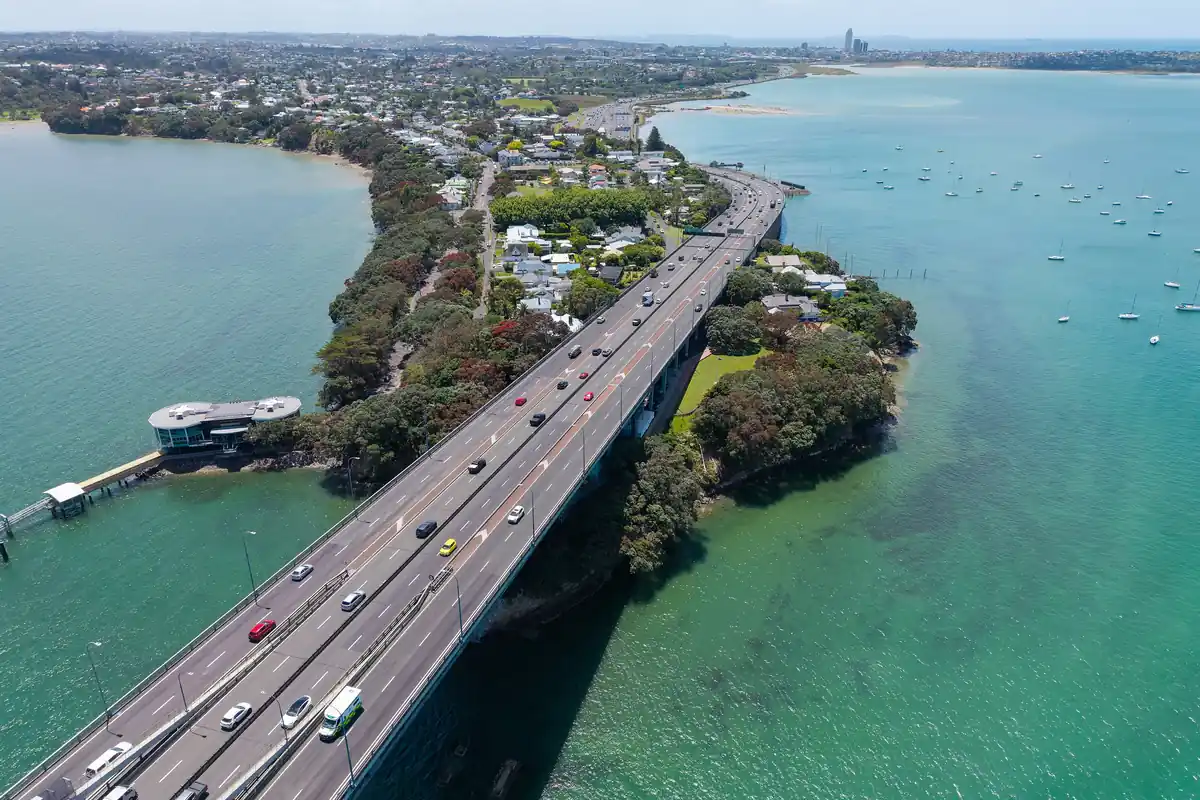
Villas on the Point
Council’s character statement for Northcote Point says its contributing houses were mostly built between 1880 and 1940, weatherboard clad with timber joinery under corrugated iron, and notes some state houses in an English Cottage style among them. The 2022 survey scored 51% of the Point’s properties at the top grades.
For a repaint, villas on the Point bring the usual villa workload: verandah detail, sash windows and many paint layers. The English Cottage-style state houses are simpler, often with steeper roofs and less ornament, but the same age of paint.
A promontory with steep edges
The statement describes the Point falling steeply along its coastal cliff line on the east and west to Shoal Bay, Halls Beach and Little Shoal Bay, with views to the city and the Gulf. Houses near those edges have the most exposed walls and often awkward access down the slope.
Exposure to sea spray is judged site by site under NZS 3604, so a house on the cliff edge may be treated differently from one in a sheltered street at the top; the MBIE determination explains why. Coastal homes and salt covers washing and fixings.
Central Northcote: 1950s state houses and a Parade of Houses
The North Shore Heritage review records small groups of state houses between Onewa Road and Belle Vue Avenue in the 1950s, a 1960s Parade of Houses on Tonar Street, and a state housing area between Lake Road and College Road with both detached and medium-density housing. Releasing endowment land in the 1950s sped up building, and the shopping centre opened in June 1959.
These houses are plain and robust. Paint on them usually fails at board ends, the bottom edges of weatherboards and window sills, and several repaints will have built up over the years.
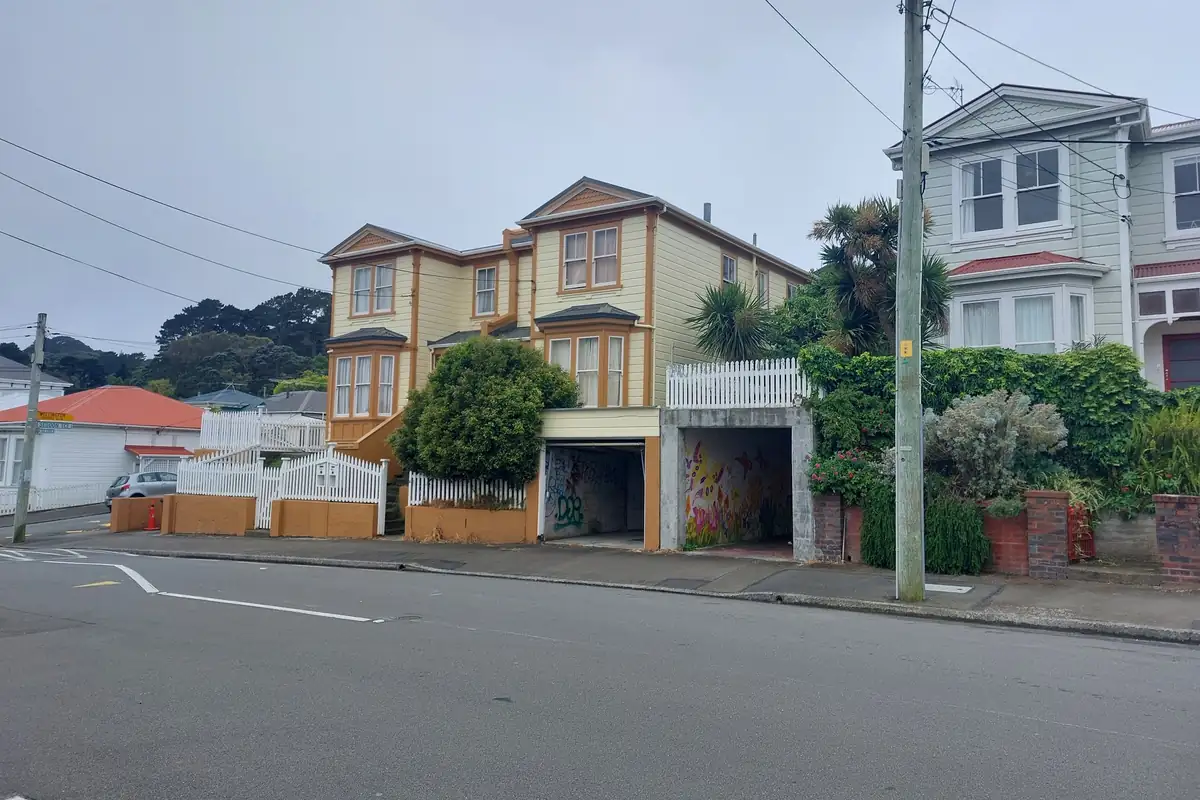
Two kinds of repaint, side by side
A villa on the Point and a state house inland need different amounts of time for the same wall area. The table shows where the hours go on each, which is why quotes in Northcote vary more than the floor area suggests.
| Item | Villa on the Point | Central Northcote state house |
|---|---|---|
| Detail to brush | Fretwork, brackets, bay windows | Simple trim |
| Windows | Double-hung sashes | Casements |
| Old paint | Many layers, presumed lead | Several layers, presumed lead |
| Access | Steep edges on some sites | Usually level, open sections |
Price bands that fit
Published Auckland ranges put a 1960s to 1980s weatherboard house at about $9,000 to $15,000 and a single-storey villa at about $12,000 to $20,000 or more. Northcote houses broadly follow that split. Medium-density state housing blocks are priced more like small body corporate work.
Costs by house type and body corporate painting have the detail.
Lead-safe prep on both sides of Onewa Road
Both halves of Northcote are old enough for WorkSafe’s advice to presume lead-based paint in buildings from the 1980s or earlier. That means wet scraping and sanding, sheeting past the drip line and daily clean-up, whether the house is an 1890s villa or a 1955 state house.
Testing for lead paint explains how to check if you are unsure.
Across the bays
Birkenhead Point, across Little Shoal Bay, has a similar villa story tied to the sugar refinery, while Beach Haven and Birkdale to the west share central Northcote’s post-bridge boom of plain timber family homes. Each has its own page describing how those houses differ for a painter.
Onewa Road carries heavy traffic, and houses fronting it collect road grime on their street walls. A thorough wash before prep matters more there, and parking for the painter’s vehicle is usually arranged in a side street.
Northcote’s medium-density state housing, including the star-block flats on Lake Road that the heritage review mentions, is a different job from a detached house: shared walls, several households to notify, and staging by block. Those buildings are quoted more like small body corporate work.
See Birkenhead and Beach Haven.
Asked before a repaint
- Are Northcote state houses easy to repaint?
- Easier than villas. Most are plain, single-storey timber houses with simple trim, so the finish coats go on quickly once prep is done. They are now 60 to 70 years old, though, so the lower layers are presumed to contain lead and board ends and sills usually need work.
- Is Northcote Point covered by special character rules?
- Northcote Point is a special character area in the Auckland Unitary Plan, which values its 1880 to 1940 villas. Whether any individual house is also a scheduled heritage place is a question for Auckland Council, because that brings separate rules on maintenance methods.
- Do cliff-top houses on the Point need painting more often?
- Often their seaward faces do. Houses on the steep coastal edge take wind and salt off the harbour, so those walls and their sills usually show wear first. Sheltered streets on the top of the point fare better.
Sources
- Auckland Unitary Plan Schedule 15: special character statements (PDF)
- Auckland Council: PC120 special character findings, North (PDF)
- Auckland Council: North Shore Heritage thematic review, Northcote, Birkenhead and Beach Haven (PDF)
- MBIE Determination 2019/039: NZS 3604 exposure zones (PDF)
- WorkSafe: managing lead-based paint
The rest of the city gets the same prep-first approach; see house painters Auckland for the overview.
Ask us for a painting quote
Tell us about the house and the job. We reply with questions, or a day to walk around it with you.