Painting heritage and character homes
Auckland’s villas, bungalows and older cottages are repainted to keep their detail, not to modernise it. If a house is a scheduled heritage place in the Unitary Plan, some methods can need resource consent. Most character homes are not scheduled, but they share the same old paint, fragile timber and lead. See weatherboards, villas and bungalows for the everyday work.
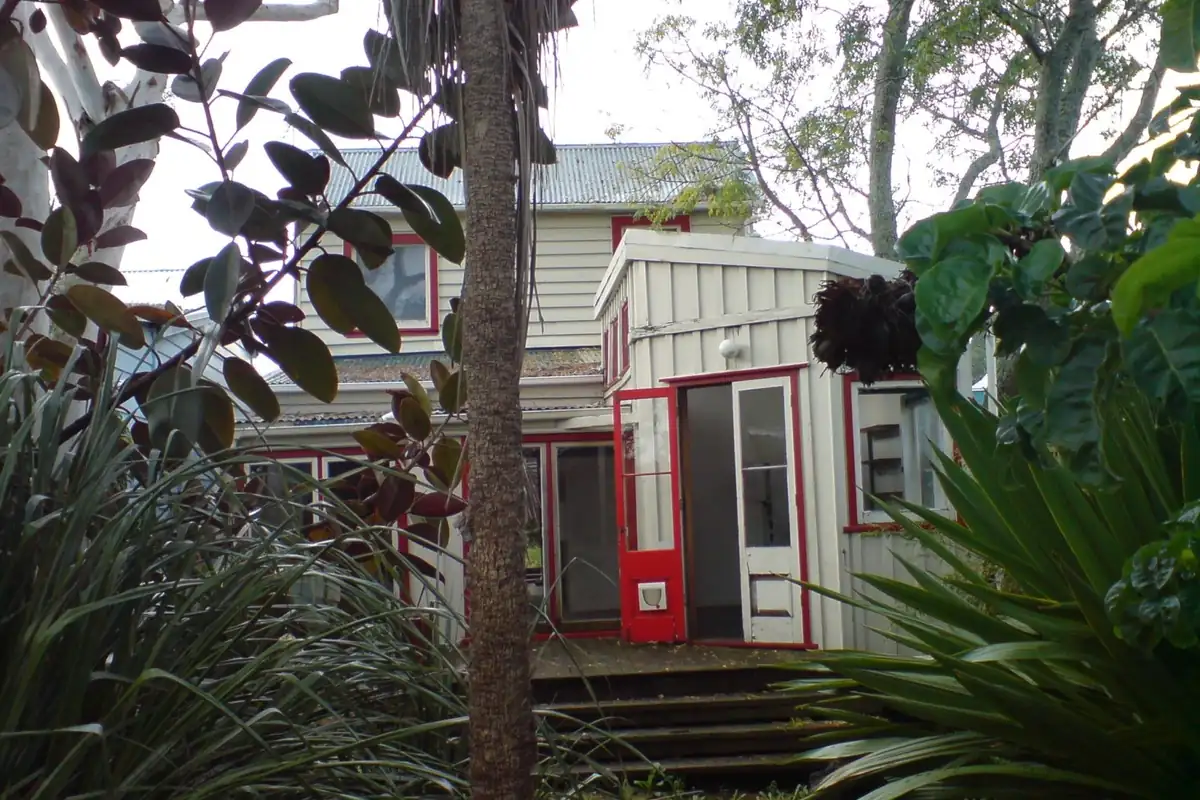
Scheduled heritage or special character?
Two different things get called heritage. Scheduled historic heritage places are individual buildings listed in Schedule 14 of the Auckland Unitary Plan, with rules in chapter D17. Special character areas cover whole streets of older houses, such as the villa suburbs, and are about keeping the look of the area. A house can be one, both or neither.
Auckland Council’s property search and Unitary Plan maps show which applies. If you are not sure, ask before booking a painter. The area pages describe the special character statements that cover several of the suburbs we work in.
What the heritage rules say about painting
For scheduled places, the Unitary Plan permits maintenance and repair as long as it does not change the existing surface treatment, paint a previously unpainted surface, use abrasive or high-pressure cleaning such as sandblasting or water blasting, or fix scaffolding to the building. Work outside those limits needs consent under the activity table.
- Repainting already painted surfaces with matching materials: generally permitted maintenance.
- Painting unpainted brick, stone or timber: may need resource consent.
- Water blasting or sandblasting: may need resource consent, and is poor practice on old timber anyway.
- Scaffolding fixed to the building: may need consent; free-standing scaffolding avoids the issue.
We did not find a clear rule on changing the colour of an already painted scheduled building, so a colour change is a question for the council rather than a guess.
Keeping the original detail
Character homes are defined by their detail: fretwork, brackets, finials, bay windows, verandah posts, sash windows and moulded weatherboards. A careful repaint scrapes and brushes these by hand, fills and primes them, and keeps their crisp edges instead of burying them under thick paint. Missing pieces are pointed out for a joiner to replace.
A paint scrape, taking a small cut through the layers in a sheltered spot, can show the colours a house has worn over the years. Some owners use that history to choose a scheme; others just like to know. Choosing exterior colours covers working with a house’s era.

Old paint layers and lead
Any house from the 1980s or earlier is presumed to have lead-based paint, and on a villa the oldest layers usually do. Health NZ notes that paints until 1965 often had high lead levels. Sound layers can stay and be painted over; loose paint is removed wet, chips are caught on sheeting and bagged, and nothing is burned off with an open flame.
Removing old paint can create more exposure than leaving it in place, so a full strip is kept for surfaces that have broken down. Lead paint in older homes sets out the methods.
Old timber needs gentle prep
Kauri and rimu weatherboards on older houses are often in better shape than they look, but they are easily damaged by aggressive prep. Hard water blasting forces water behind boards and raises the grain; power sanders can gouge mouldings. Hand scraping, careful sanding and spot-priming bare timber keep the boards working for another cycle.
Preparation explains each step, and primers and undercoats covers priming old bare timber.
What a careful repaint costs
Published Auckland figures put a single-storey villa or bungalow exterior at about $12,000 to $20,000 or more, and a two-storey villa at $20,000 to $30,000 or more. The extra over a plain house is detail, joinery and lead-safe prep. A quote for a character home should show those items clearly rather than as one lump sum.
Costs by house type compares villas with other Auckland houses.
Before you book
Check whether the house is scheduled, decide whether the colour scheme is staying or changing, and ask each painter how they will handle old paint and fragile detail. A good quote names the prep for fretwork and sashes and allows for small timber repairs.
- Check the Unitary Plan status with Auckland Council.
- Note which surfaces have never been painted and should stay that way.
- Ask how old paint will be removed and contained.
- Agree how missing or rotten detail will be handled and by whom.
Then send us the details, including the decade the house was built.
Asked before a repaint
- Do I need consent to repaint a heritage house in Auckland?
- Ordinary maintenance of a scheduled historic heritage place is generally permitted under the Unitary Plan, as long as it does not change the existing surface treatment, paint a surface that was never painted, use sandblasting or water blasting, or fix scaffolding to the building. Outside those limits, resource consent may be needed, so check with Auckland Council first.
- Is a special character area the same as a heritage listing?
- No. Special character areas protect the look of whole streets of older houses, while scheduled historic heritage places are individual buildings or places in Schedule 14 of the Unitary Plan. A house can be in a character area without being scheduled. The council can tell you which applies to your property.
- Can I change the colour of a heritage house?
- The heritage overlay rules focus on surface treatment, unpainted surfaces, cleaning methods and fixings. Whether a colour change on an already painted scheduled building needs consent was not confirmed in our research, so ask Auckland Council before choosing a scheme that departs from the existing one.
- Should old villa paint be stripped back to bare timber?
- Only where it has failed. Sound old paint, even if it contains lead, is often best left and painted over, because stripping creates more exposure than leaving it. Loose and flaking paint is removed with wet methods, and a full strip is reserved for surfaces where the layers have broken down.
Sources
For the whole picture, from prep to the last coat, go back to Eggshell & Co house painting.
Ask us for a painting quote
Tell us about the house and the job. We reply with questions, or a day to walk around it with you.