Mould before painting
Mould has to be killed, cleaned off and the surface dried before any paint goes on, or it grows back through. Inside, the cause is nearly always moisture: condensation, poor ventilation, or a leak. Outside, it is shade and damp. Treating and painting fixes the surface; fixing the moisture stops it coming back. Wet rooms are covered under kitchens and bathrooms.
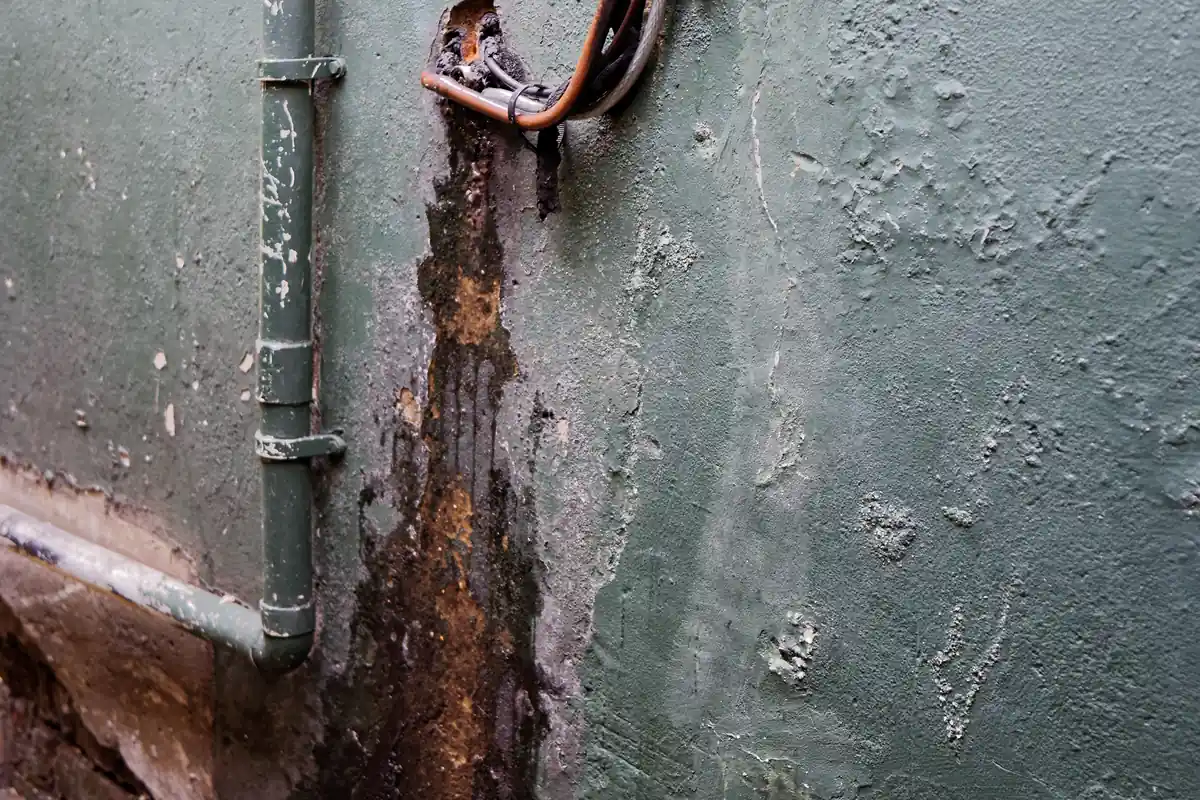
Why mould grows indoors
Mould needs moisture. Indoors, it usually comes from condensation, as warm, damp air from showers, cooking, drying clothes and breathing meets cold ceilings, outside walls and window reveals. Corners behind wardrobes and beds, where air does not move, are common spots. Leaks from roofs, plumbing or windows also feed it.
Tenancy Services’ ventilation standard for rentals requires openable windows in living areas and bedrooms and extractor fans in kitchens and bathrooms, which shows how central airflow is to keeping moisture down.
Treating mould before painting
The surface is cleaned to remove the visible growth, treated with a mould wash to kill what remains, rinsed, and left to dry thoroughly. Stains left behind are sealed with a stain-blocking primer. Only then do the finish coats go on, ideally a paint with a mould inhibitor in damp rooms.
- Protect floors and furniture; ventilate the room.
- Clean off visible growth.
- Treat with a mould wash and leave it to work.
- Rinse and dry thoroughly.
- Seal stains with a stain-blocking primer.
- Paint two coats, with a mould inhibitor in wet rooms.
Fixing the cause
Paint alone will not keep mould away in a damp room. Run extractor fans vented outside, open windows when cooking and showering, dry clothes outdoors or in a vented dryer, and keep furniture a little away from cold outside walls. Heating and insulation reduce the cold surfaces where condensation forms.
- Check the bathroom fan vents outside, not into the ceiling.
- Use the rangehood when cooking.
- Air bedrooms daily, even in winter.
- Fix any roof, plumbing or window leak before repainting.

When it is a building problem
Mould that returns quickly, spreads from a wall rather than a ceiling, or comes with soft linings, swollen skirtings or a musty smell may mean water is getting into the structure. That needs a builder or building surveyor rather than a painter. A good painter will say so rather than paint over it.
Painting before you sell explains why covering it up is a bad idea.
Mould and algae outside
Outside, shaded and damp walls grow mould, algae and lichen, especially on south faces, under trees and near bush. Before a repaint they are washed with a soft brush and low-pressure water, treated with a mould wash, rinsed, and allowed to dry. Run-off is kept out of stormwater drains under Auckland Council’s guidance.
Preparation covers exterior washing in more detail.
Anti-mould paints
Paints made for kitchens and bathrooms often include a mould inhibitor, and some exterior paints do too. They slow regrowth on the paint surface but cannot overcome constant moisture. Use them in wet rooms and on shaded walls as part of the fix, not as the whole fix.
Low-VOC paint indoors covers odour and indoor air.
Safety when cleaning mould
Disturbing mould releases spores. Ventilate the room, wear gloves, eye protection and a suitable mask, and follow the product label for any mould wash. In older houses, remember that the paint under the mould may contain lead if the house is from the 1980s or earlier, so scraping and sanding are done wet.
Asked before a repaint
- Can you paint over mould?
- Not without treating it. Mould painted over grows back through the new paint, often within months. The surface is cleaned, treated with a mould wash, rinsed and dried, then primed and painted. The cause, usually moisture and poor ventilation, needs fixing too.
- Does anti-mould paint stop mould?
- It helps. Paints made for kitchens and bathrooms often contain a mould inhibitor that slows regrowth on the surface. They do not fix the moisture that feeds mould, so in a damp, unventilated room mould will eventually return.
- Why is there mould on my bedroom ceiling?
- Usually condensation. Warm, moist air from breathing, drying clothes and cooking settles on the coldest surfaces, often ceilings near outside walls and corners behind furniture. Better ventilation, heating and insulation reduce it. A painter can treat and paint the ceiling, but the conditions decide whether it comes back.
- Is exterior mould the same problem?
- Similar, but outside it is shade, damp and dirt rather than condensation. Walls under trees, on the south side or near bush grow mould, algae and lichen. They are washed, treated and rinsed before painting, and regular washing keeps them clearer between repaints.
Sources
When the reading is done and the brushes need picking up, Eggshell & Co Painting is where a quote starts.
Ask us for a painting quote
Tell us about the house and the job. We reply with questions, or a day to walk around it with you.