Asbestos and textured ceilings before painting
In a house built before 2000, WorkSafe advises that asbestos may be present in textured ceilings, soffits, fibre-cement cladding and some patching compounds. You cannot tell by looking, and only a test confirms it. Before anyone sands, scrapes, drills or water blasts those surfaces, they are checked. Painting sound material is possible with care. This note sits under ceiling painting and interior painting.
Where asbestos can be in a house
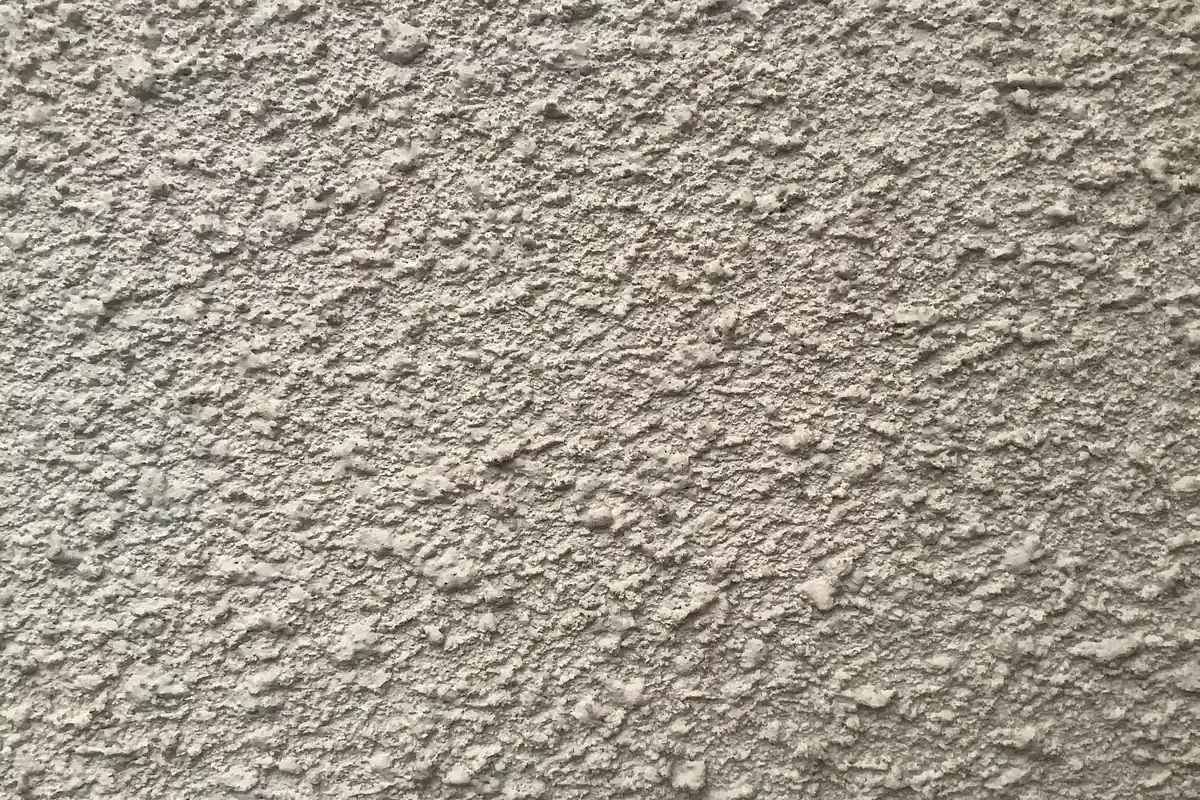
WorkSafe lists textured and stippled ceilings, textured paints and patching compounds, asbestos-cement wall and ceiling sheets, claddings including imitation brick and baseboards, soffits and eaves linings, gables, gutters and downpipes, and fences, garages and sheds. Several of those are surfaces a painter routinely prepares.
| Surface | Why it matters for painting |
|---|---|
| Textured or stippled ceilings | Often sanded, scraped or sealed during an interior repaint |
| Soffits and eaves linings | Washed, sanded and painted on every exterior repaint |
| Fibre-cement sheet cladding | Prepared and painted like any wall |
| Textured paints and patching compounds | Sanded before recoating |
Test before preparing
Suspected asbestos should not be disturbed until it has been tested, which means no sanding, drilling, cutting or water blasting. Sampling is best done by a reputable contractor. If testing is not practical, WorkSafe’s advice is to treat the material as asbestos and plan the work accordingly.
A painter who finds a suspect surface partway through a job should stop work on it and tell you. That is the right call, even if it delays the job.
What a painter must not do
The Asbestos Regulations prohibit a business from using high-pressure water spray or compressed air on asbestos or material containing it. Power tools and brooms that release fibres may only be used with controls that enclose, capture or suppress the dust. In practice, no water blasting, dry sanding or wire brushing of suspect surfaces.
- No water blasting of fibre-cement soffits or cladding.
- No dry sanding or scraping of textured ceilings.
- No compressed air to blow dust off surfaces.
- No drilling into textured coatings without controls.

Painting sound asbestos cement
WorkSafe’s information sheet on painting asbestos-cement products allows painting material that is in good condition, with precautions: isolate the area, wear suitable protective equipment, wipe surfaces damp, avoid sanding, wire brushing or harsh scraping, and apply paint by gentle brush or roller or low-pressure airless spray. Waste is disposed of as asbestos waste.
It also warns that painting asbestos cement the wrong way can make the product fail. Ask any painter how they will handle it before agreeing to the job.
Removal and licensing in brief
Removal is not painting. Friable asbestos needs a Class A licensed removalist. More than 10 m² of non-friable asbestos over a project needs a Class B or Class A licence; up to 10 m² can be removed by a trained, competent person. When a house is being refurbished, the regulations require asbestos likely to be disturbed to be identified first.
We do not arrange asbestos testing or removal. If a test is positive, a licensed removalist is the next call, and painting resumes once that work is signed off.
If the ceiling tests clear
A textured ceiling that tests clear can be painted, but it is still fragile. Texture soaks up paint and can loosen when wet, so it is usually sealed first and rolled gently with a thick-nap roller. Removing texture to get a flat ceiling is messy, slow work, and sometimes relining over it is simpler.
Ceiling painting covers the rest of the job.
Lead and asbestos together
A house built before 1980 can have both lead-based paint and asbestos-containing materials. The two need different handling: lead paint is prepared wet and contained; suspected asbestos is left undisturbed until tested. A careful quote for an older house addresses both.
Testing for lead paint covers the lead side.
Asked before a repaint
- How do I know if my textured ceiling has asbestos?
- Only a laboratory test of a sample tells you. WorkSafe lists textured or stippled ceilings among the places asbestos can be found in houses built before 1 January 2000. Sampling should be done by a reputable contractor, because taking a sample disturbs the material.
- Can I paint over an asbestos ceiling?
- Material that contains asbestos and is in good condition can sometimes be painted, following WorkSafe’s guidance: wipe it damp rather than sanding, no wire brushing or harsh scraping, and apply the paint gently by roller, brush or low-pressure spray. Damaged or crumbling material should not be painted; it is a job for a licensed removalist.
- Who can remove asbestos?
- Removing friable asbestos needs a Class A licence. Removing more than 10 m² of non-friable asbestos over a project needs a Class B or Class A licence. Smaller amounts of non-friable material can be removed by a trained, competent person. Painters do not offer removal; WorkSafe keeps a register of licensed removalists.
- Is my 1990s house at risk?
- Possibly. WorkSafe’s guidance is that a home built before 2000 may contain asbestos, with the risk lower after that date. A house from the 1990s with textured ceilings, fibre-cement soffits or sheet cladding is worth checking before anything is sanded, drilled or water blasted.
Sources
When the reading is done and the brushes need picking up, Eggshell & Co house painting is where a quote starts.
Ask us for a painting quote
Tell us about the house and the job. We reply with questions, or a day to walk around it with you.