Acrylic or oil-based paint
Most New Zealand houses are now painted with waterborne acrylics outside and in, because they stay flexible, last longer on timber and smell far less. Solvent-borne oil and alkyd paints are still used on some joinery and metal. Resene gives a quality acrylic system on weatherboards 7 to 10 years and an oil-based system 4 to 6 years. See exterior painting for the full job.
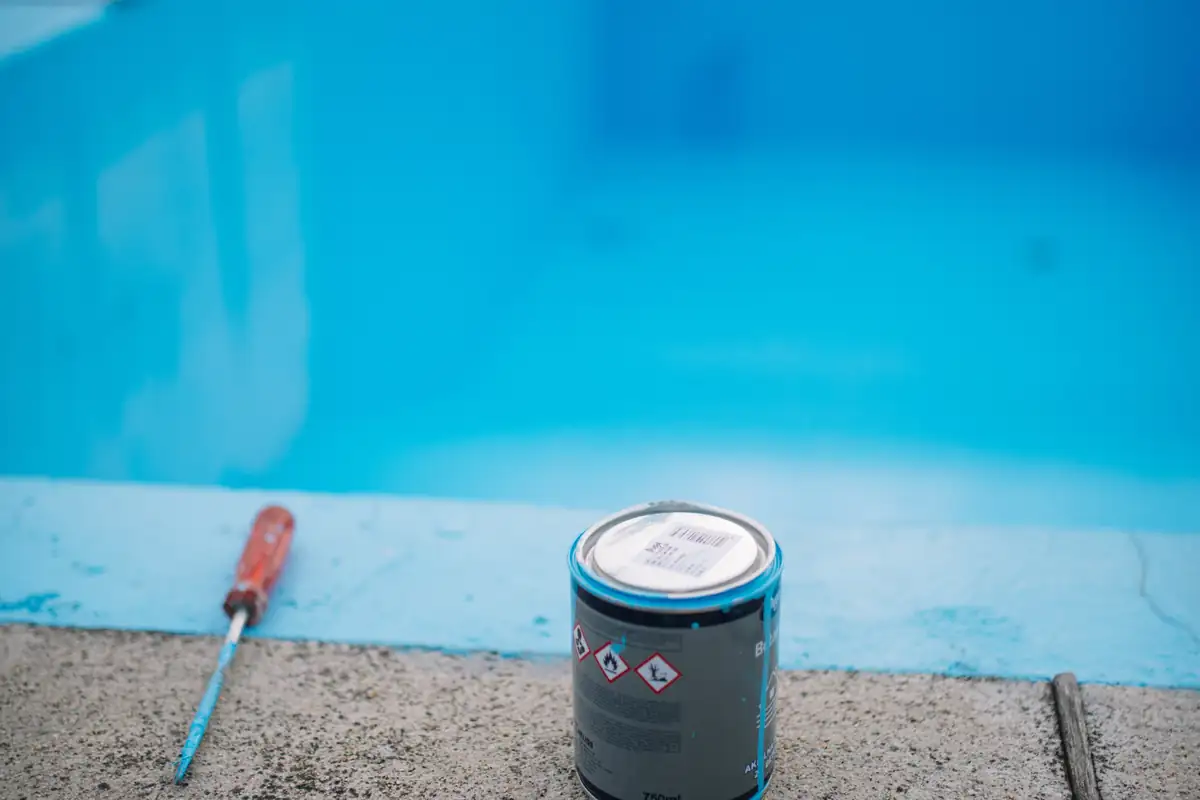
Two families of paint
Acrylic paints are waterborne: the binder is dispersed in water, which evaporates as the paint dries, leaving a flexible film. Oil-based and alkyd paints are solvent-borne: they dry partly by solvent evaporating and partly by the binder reacting with air, forming a harder film. Enamels, the tough finishes used on trim, come in both families.
Waterborne paints clean up with water; solvent-borne paints need solvents, which cannot go down the sewer and must be taken to a hazardous waste facility under Auckland Council’s guidance.
Durability outside
Timber swells and shrinks with heat and moisture. Acrylic films move with it; oil-based films get harder and more brittle with age and crack. Resene’s guidance gives a quality three-coat acrylic on weatherboards 7 to 10 years against 4 to 6 for oil-based or alkyd, and on window sills 5 to 7 years against 1 to 5.
| Surface | Acrylic | Oil-based or alkyd |
|---|---|---|
| Timber weatherboards | 7 to 10 years | 4 to 6 years |
| Window sills | 5 to 7 years | 1 to 5 years |
| Metal | 5 to 7 years | 1 to 3 years |
Where each is used today
Exterior walls, soffits and most interior walls and ceilings are painted in acrylic. Trim, doors and window frames inside are often waterborne acrylic enamel, with solvent-borne enamel still chosen by some for its very smooth finish and hardness. Some metal and floor coatings are solvent-borne systems.
Doors, windows and trim covers enamels on joinery.

Finding out what is on your house now
A simple test: rub a small, hidden spot with a cotton bud dampened with methylated spirits. Acrylic usually softens and comes off on the cotton; oil-based paint usually does not. It is a guide, not a lab test. On an older house, keep the test small, because the lower layers may contain lead.
Testing for lead paint covers that side.
Painting one over the other
Acrylic over oil-based paint is common and works with preparation: clean, sand the gloss off, then use a primer that bonds to old oil coatings before acrylic topcoats. Oil-based paint over acrylic is less common and not usually recommended outside, because the harder film over a flexible one can crack.
- Identify the existing paint.
- Clean off dirt, grease and chalk.
- Sand glossy oil paint to a dull finish.
- Prime with a bonding primer suited to the old coating.
- Finish with two coats of the new system.
Odour, VOCs and indoor air
Solvent-borne paints release more volatile organic compounds as they dry, which is the strong smell people remember. Waterborne acrylics are much lower, and low-VOC versions lower again. Eco Choice Aotearoa, New Zealand’s official ecolabel, has a paint standard that restricts solvents and VOCs.
Low-VOC paint indoors goes further.
Exterior paint indoors, and the reverse
Exterior paint is made for UV, rain and temperature swings, and may carry additives meant for outdoor use. Interior paint is made for washability, low odour and indoor air. Neither is a good substitute for the other. Leftover exterior paint is best kept for touch-ups outside.
If in doubt, the paint maker’s data sheet states where a product is meant to be used.
Asked before a repaint
- Which lasts longer outside, acrylic or oil-based paint?
- On weatherboards, Resene gives a quality three-coat acrylic system 7 to 10 years and an oil-based or alkyd system 4 to 6 years. Acrylics stay flexible as timber moves with heat and moisture, while oil-based films harden and crack over time. That is why acrylics are now the usual choice for exterior walls.
- How can I tell if old paint is oil-based or acrylic?
- Rub a small area with a cotton bud dampened with methylated spirits. If paint comes off onto the cotton, it is likely acrylic; if not, it is likely oil-based. Do this on a small, inconspicuous spot, and remember that older houses may have lead in the layers underneath.
- Can you use exterior paint indoors?
- It is not recommended. Exterior paints are made for weather and UV and may contain additives such as mould inhibitors suited to outdoor use; they are not made for indoor air. Interior paints are formulated for washability and low odour. Use each where it is designed to go.
- Is oil-based paint still used on houses?
- Less than before, but yes. Solvent-borne enamels are still used on some joinery, floors and metalwork, and where an existing oil finish is being kept. Waterborne enamels now cover much of that work, with lower odour and faster drying.
Sources
When the reading is done and the brushes need picking up, Auckland house painters is where a quote starts.
Ask us for a painting quote
Tell us about the house and the job. We reply with questions, or a day to walk around it with you.