Choosing interior colours
Pick interior colours around what will not change, such as floors, benchtops and joinery, then test them in the room’s own light. North-facing rooms in New Zealand get warm sun; south-facing rooms get cooler, flatter light. Two or three large samples on the wall beat any colour card. The painting itself is covered under interior painting.
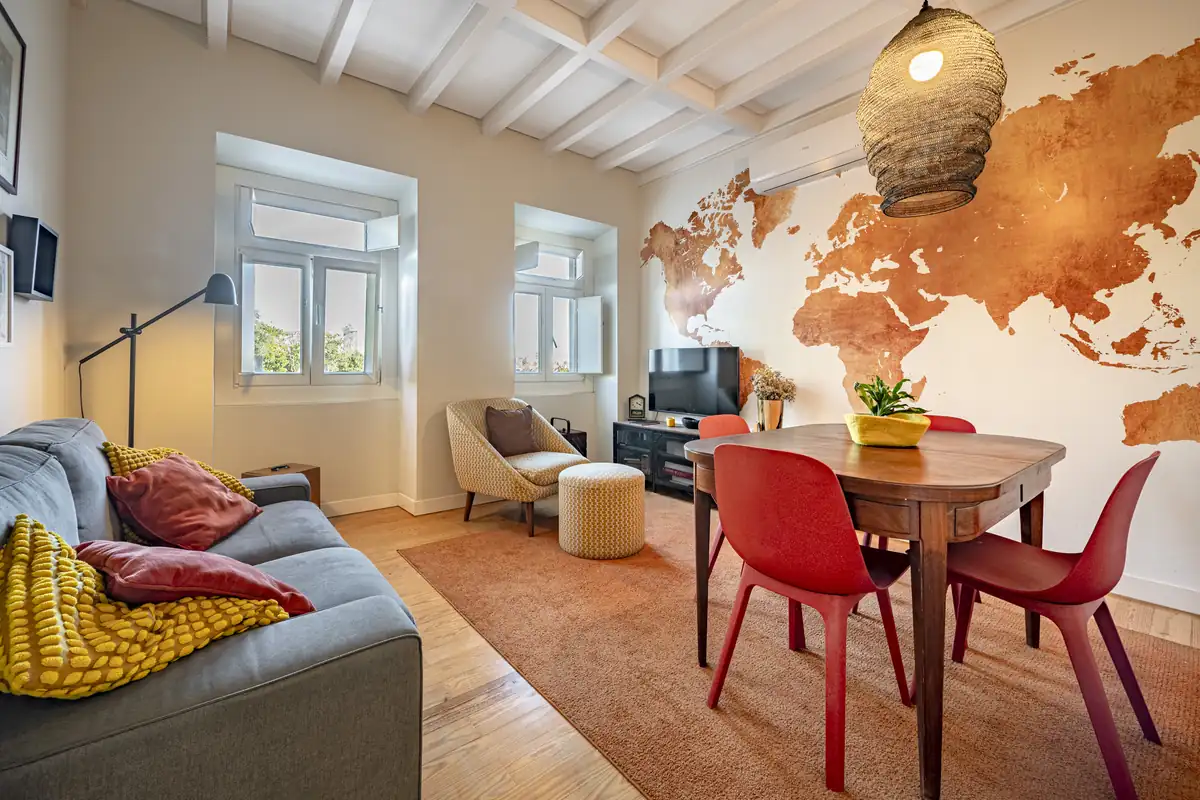
Start with what is staying
Floors, benchtops, tiles, curtains and large furniture set the palette, because they are expensive to change. Hold paint samples against them, not against a white sheet of paper. Wood floors and native timber trim are warm, so cool greys can look cold beside them; tile and stone often carry an undertone worth picking up.
- List the fixed colours in the room.
- Note whether they are warm or cool.
- Choose wall colours that sit with them rather than fight them.
Light and aspect
In New Zealand, north-facing rooms get the most direct sun and warm light; south-facing rooms get cooler, indirect light that makes colours look greyer and darker. East rooms are bright in the morning, west rooms in the afternoon. The same colour can look like two different colours in two rooms.
| Aspect | Light | Often works |
|---|---|---|
| North | Warm, direct sun most of the day | Cooler or softer colours to balance warmth |
| South | Cool, indirect, flatter | Warmer whites and colours |
| East | Bright morning, cooler later | Colours tested at both times |
| West | Strong afternoon sun | Colours that do not glow too hot at sunset |
Testing colours at home
Paint samples at least the size of an A3 sheet on two walls, one in light and one in shade, and look at them in daylight and under evening lights. Leave them up for a few days. Paint over an old colour can look different, so two coats of the sample give a fair read.
- Shortlist two or three colours.
- Paint large samples, two coats each.
- Look in morning, midday and evening light.
- Check under the lights you actually use.

Flow between rooms
Open-plan areas and rooms you see from each other work best with related colours: the same colour in different strengths, or colours that share an undertone. A single trim white and a single ceiling white through the house tie it together. Bolder colours suit closed rooms such as a study or powder room.
In villas with a central hallway, the hall often sets the tone and the rooms off it vary around it.
Villas and modern houses
Villas and bungalows have high studs, deep skirtings, picture rails and lots of trim, so the balance between wall, trim and ceiling colour matters more. Warmer whites and soft colours often suit them. Modern houses with big glazing and plain walls take crisp whites and stronger accents well.
Villas and bungalows and ceiling painting cover the practical side.
Sheen room by room
Low sheen is the usual wall finish in living areas, halls and bedrooms because it cleans well without highlighting flaws. Flat finishes hide imperfections on ceilings and uneven old walls. Kitchens and bathrooms get a paint made for wet rooms. Trim and doors are enamel in semi-gloss or gloss.
Paint sheen and paint systems goes into each level.
Colours and resale
If you might sell within a few years, light, warm neutrals are the safe choice for main rooms, with stronger colour in places that are easy to repaint. Buyers picture their own furniture more easily against neutral walls, and rooms photograph larger.
Painting before you sell covers pre-sale work.
Asked before a repaint
- How do I choose an interior paint colour?
- Start with the fixed things: floors, benchtops, tiles and big furniture. Then look at the room’s light. Choose two or three candidates, paint large samples on more than one wall, and look at them morning and night before deciding. Colour cards alone are unreliable.
- What colour makes a room look bigger?
- Light colours with a high light reflectance value bounce more light around, so rooms feel larger and brighter. Keeping walls, ceiling and trim close in tone also blurs the edges of a room. Dark colours can make a small room feel cosy rather than cramped, if that is the aim.
- What colour should a ceiling be?
- Usually a flat white or a very light tint of the wall colour. A ceiling a shade lighter than the walls feels higher; a tinted ceiling feels warmer and lower. In villas with high studs, a slightly warmer ceiling stops the room feeling cold.
- Which sheen should interior walls be?
- Low sheen is the usual choice for living areas and bedrooms because it is washable without showing every flaw. Flat or matt hides imperfections on ceilings and older walls. Kitchens and bathrooms suit a paint made for wet rooms, often with more sheen. Trim and doors are enamel.
Sources
When the reading is done and the brushes need picking up, Auckland house painters is where a quote starts.
Ask us for a painting quote
Tell us about the house and the job. We reply with questions, or a day to walk around it with you.